Pediatric Physical Therapy
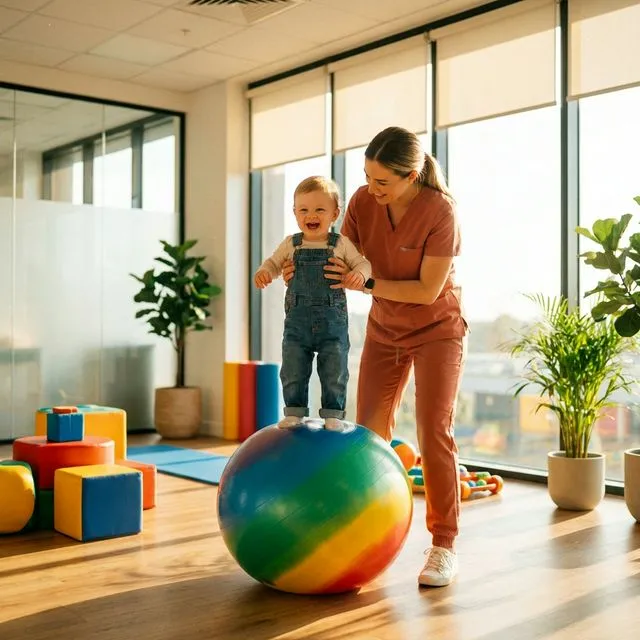
A child's development happens through small steps and big leaps. Sometimes development doesn't unfold as expected, and extra guidance is needed. Pediatric physical therapy (often called pediatric kine) focuses on comprehensive motor and physical development from infancy to young adulthood.
At Praktijk De Puzzel in Retie (Schoonbroek, easily accessible from Dessel, Kasterlee, and Mol), we start from the child's intrinsic motivation. By offering physical therapy in a playful, warm, and welcoming setting, our experienced physiotherapists strengthen not only motor skills but also self-confidence and the joy of movement. International families and students attending the European School Mol (ESMol) are also warmly welcome for pediatric physical therapy in English and Dutch.
Infant therapy & developmental stimulation
The first months and years are vital for building a solid motor foundation. Sometimes a baby needs a gentle helping hand to reach motor milestones or overcome discomfort.
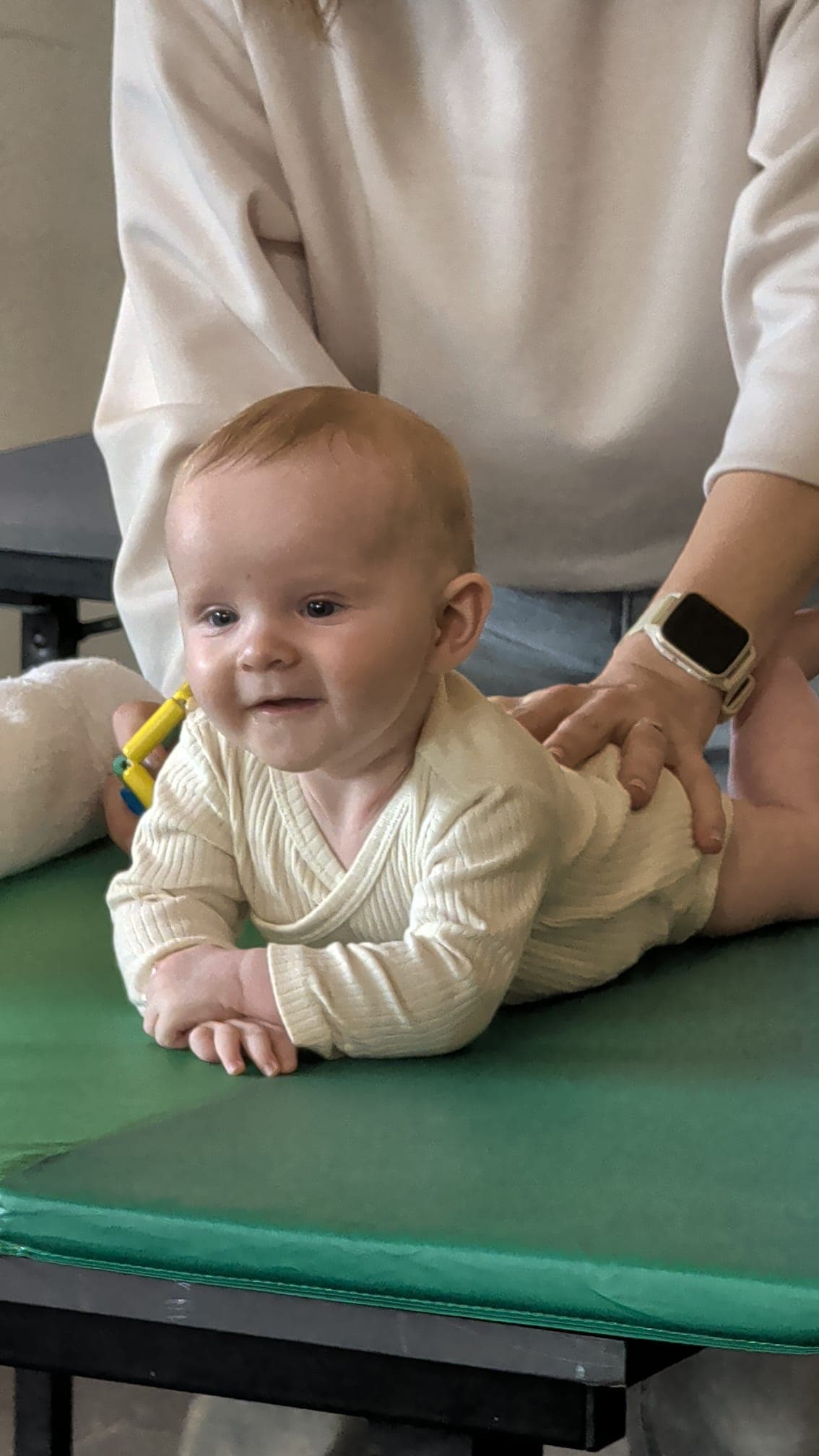
- Supporting milestones: Support for babies struggling with rolling over, sitting, crawling, or taking their first steps. We gently stimulate motor progression.
- Positional preference & flat head syndrome: When a baby persistently looks to one side, this can cause asymmetrical head shapes (plagiocephaly) and motor patterns. We provide postural advice and exercises to restore mobility.
- Respiratory support: For babies suffering from mucus congestion (due to bronchiolitis, RSV, or bronchitis), we use gentle respiratory physical therapy (autogenic drainage) to restore comfortable breathing.
Psychomotor Therapy
Support for developmental delay and disorders. Within psychomotor therapy, we work on the interplay between thinking and feeling (psycho) and movement (motor). We offer specialized guidance for children with general developmental delays to help them catch up, as well as for children diagnosed with conditions such as DCD, dyspraxia, and dysgraphia.
When a child learns to master their body, both physical competence and emotional wellbeing flourish. We focus on fundamental building blocks:
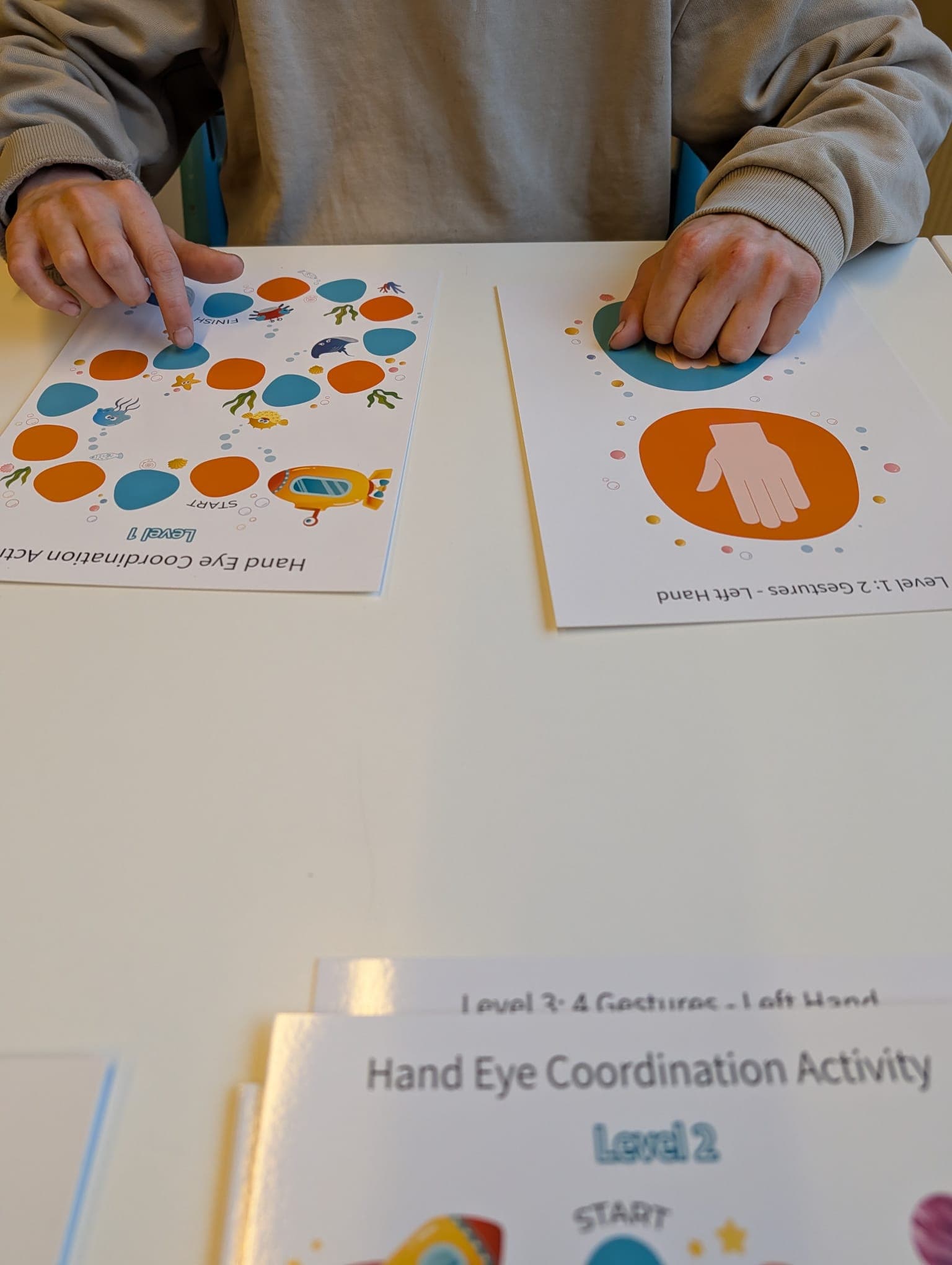
- Gross motor foundation: Developing balance, bilateral coordination, and smooth movement patterns.
- Fine motor skills & handwriting: Refining hand dexterity, tripod pencil grip, and resolving handwriting difficulties. Explore our practical tips on handwriting and fine motor skills.
- Body awareness: Developing an accurate body schema and spatial self-awareness.
- Bilateral coordination & lateralization: Guiding left-right discrimination and establishing clear hand dominance.
- Spatial-visual skills: Training spatial orientation and visual-spatial structuring.
- Perception & motor planning: Improving motor planning (praxis), which is often the core challenge in DCD and dyspraxia.
By training these abilities playfully and therapeutically, we lay the foundation for school success in writing, reading, and math. We build on the child's strengths to solve the motor puzzle together.
Practical tips for handwriting and fine motor skills at home
Is your child struggling with handwriting, experiencing finger cramps, or showing illegible handwriting? Discover how you can playfully support them at home.
Read our article on handwriting skillsRespiratory Therapy
We treat both acute and chronic pulmonary conditions, such as bronchitis, asthma, cystic fibrosis, and respiratory congestion in babies. Through specialized techniques, we help your child breathe freely and regain respiratory control:
- Drainage techniques: Gentle, safe, and effective methods to clear mucus from the airways.
- Thoracic mobilization: Optimizing chest expansion and breathing capacity.
- Tailored exercise and relaxation: Customized exercises to strengthen the respiratory muscles and promote relaxed breathing.
- Guidance for parents and child: Guidance on nasal rinses, inhalation therapy, aerosol nebulizers, and correct use of inhalers or PEP masks.
Neuromotor rehabilitation
Normalizing muscle tone to elicit stronger postural control, the foundation for all coordinated movement.
- Righting, balance, and protective reactions: Stimulating the essential postural reflexes needed for stable movement.
- Functional exercise: Through consistent, playful repetition, the child gains greater motor control, leading to greater independence in daily life.
- Weight shifting and active positioning: The child learns to shift their weight and move their body in a controlled manner.
- Proprioceptive input and gravity stimulation: Targeted sensory input to modulate muscle tone.
- Body feedback & feeling: The main goal is for the child to sense their own posture accurately, making it easier to perform fluid, high-quality movements.
We encourage the child to discover new skills and equip parents with practical tips to sustain progress at home.
Homework support & learning to learn
- Strengthening executive functions: We systematically work on planning, organization, working memory, and emotional regulation while studying.
- Individual learning strategies: Together, we identify the study method that suits the child best (e.g., mind maps, schemas, memory aids) so material is understood and remembered.
- Structure and overview: Bringing calm and routine to homework through clear schedules and breaking large assignments into manageable steps.
- Self-confidence and motivation: We relieve performance pressure by creating positive success experiences. The child learns they have agency over their learning, reducing fear of failure.
- Attention and focus: Teaching techniques to boost concentration and minimize distractions, tailored to the child's needs.
2Hands4Kids: Touch-typing with confidence
A playful touch-typing method without time pressure, ideal for every child. Instead of repetitive drills, your child learns keyboard positions through colors, figures, games, and cognitive exercises. Engaging multiple learning styles accelerates automation.
- Stress-free: We deliberately avoid speed pressure. Every child learns at their own pace, keeping motivation high and eliminating performance anxiety.
- Accessible to all learners: This method is especially suitable from 4th grade onward, including children facing fine motor hurdles, dyslexia, dyspraxia (DCD), dysgraphia, ADHD, or ASD.
- Tailored curriculum: The course comprises 9 weekly sessions. We ask the child to practice at home for about 10 minutes daily to automate touch-typing smoothly.
- Online monitoring: Each child receives an online workbook. Weekly exercises allow the therapist to monitor progress and adapt instructions remotely.
“We always progress at the child's pace using play-based therapy, ensuring sessions remain engaging and rewarding.”
Treated by our expert team
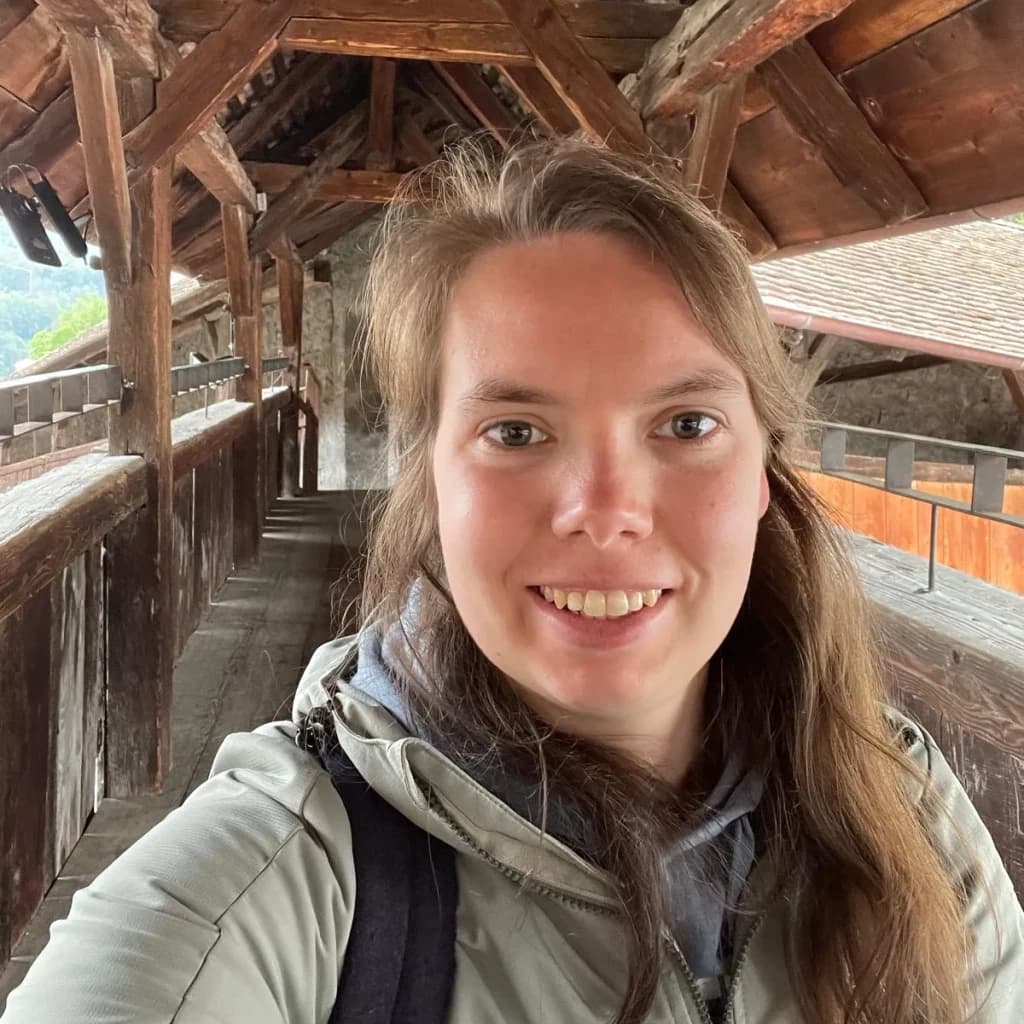
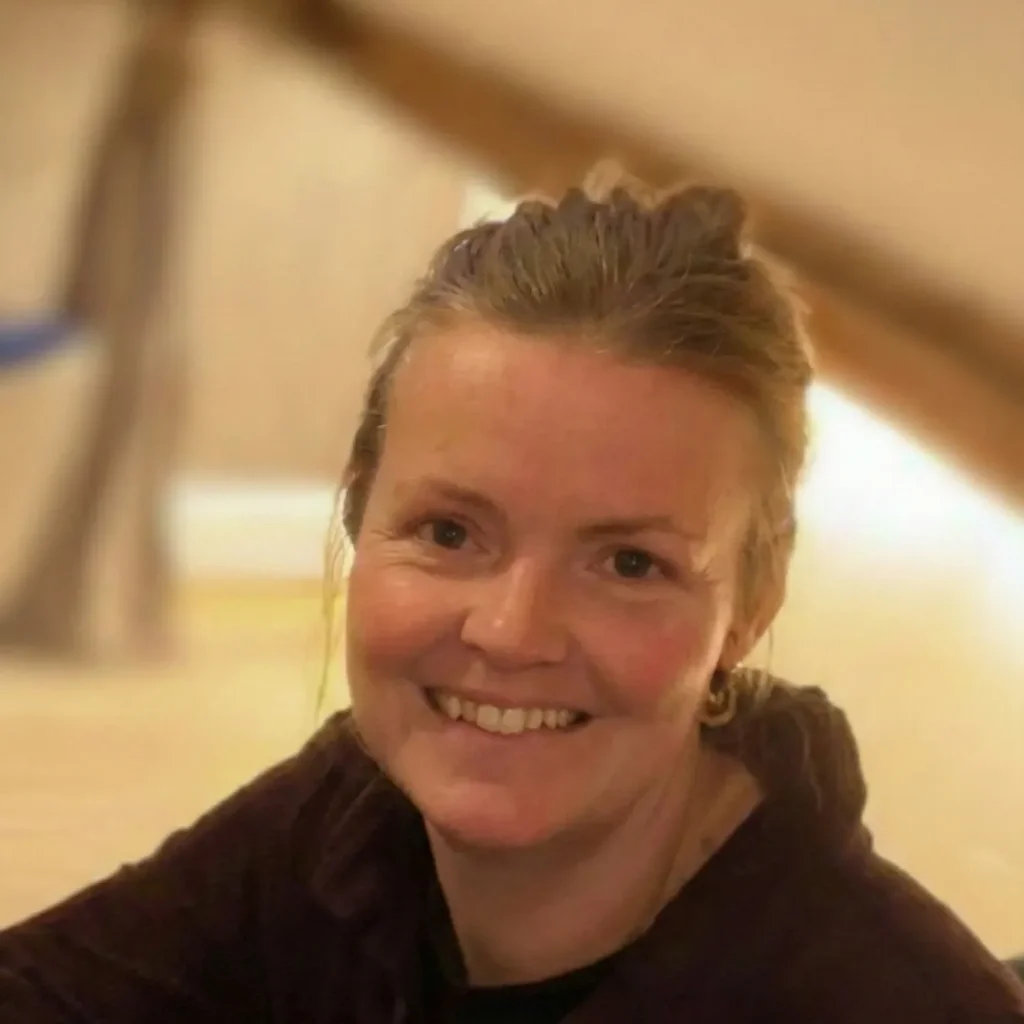
Within our practice, we pool our clinical expertise to offer every child and mother targeted, personal guidance.
Ready to take the first step?
We are glad to listen to your story and explore how we can best support you or your child.